 TR
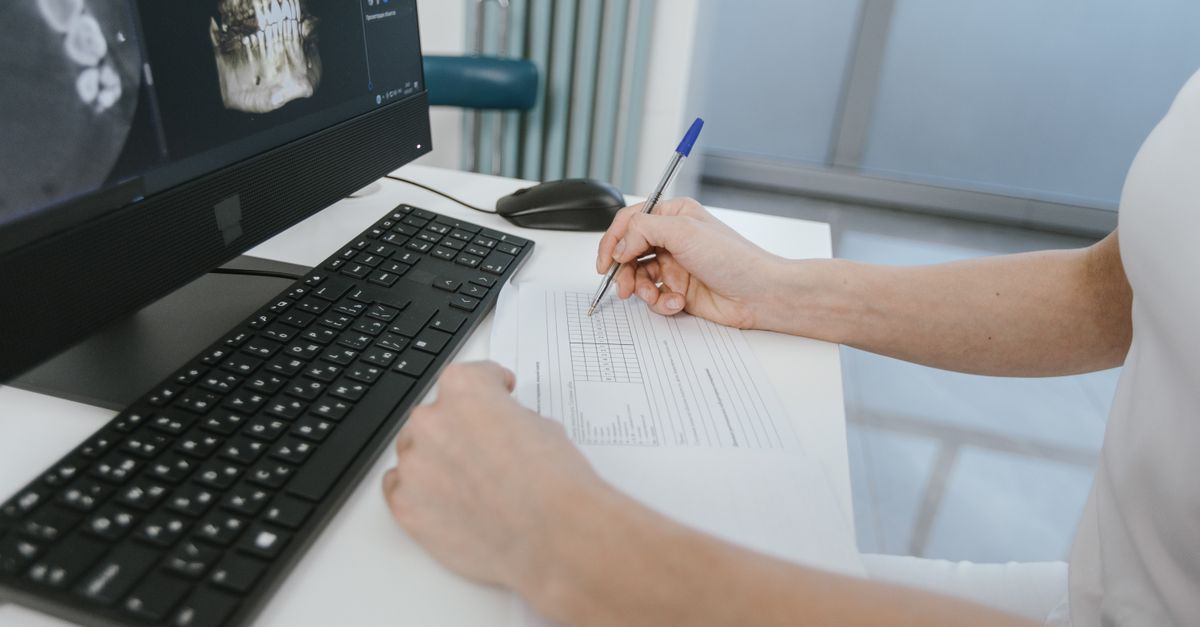
Surgical guide implant surgery uses digital planning to support more precise implant placement. Learn how the process works, who may benefit, and why biological planning matters.
Surgical guide implant surgery is an approach in implant dentistry that combines digital planning with a custom guide used during the surgical procedure. The goal is not simply to make treatment feel more “high-tech,” but to support a more controlled and biologically respectful implant placement process.
For patients, this often raises practical questions: How is the implant position planned? Is a surgical guide necessary in every case? Does digital planning improve safety or accuracy? The answers depend on the anatomy, gum condition, bone volume, prosthetic goals, and the overall treatment plan.
In modern implant care, precision matters because implant placement is not only about putting an implant into bone. It also involves protecting surrounding tissues, planning for long-term hygiene, respecting esthetic requirements, and matching the implant position to the final restoration. This is especially important in cases involving the front teeth, limited bone, previous treatment problems, or complex restorative needs.
At our clinic, implant surgery with surgical guide is one of the documented treatment areas, and it fits naturally within a broader digital dentistry approach that prioritizes health first, then esthetics.
What Is Surgical Guide Implant Surgery?
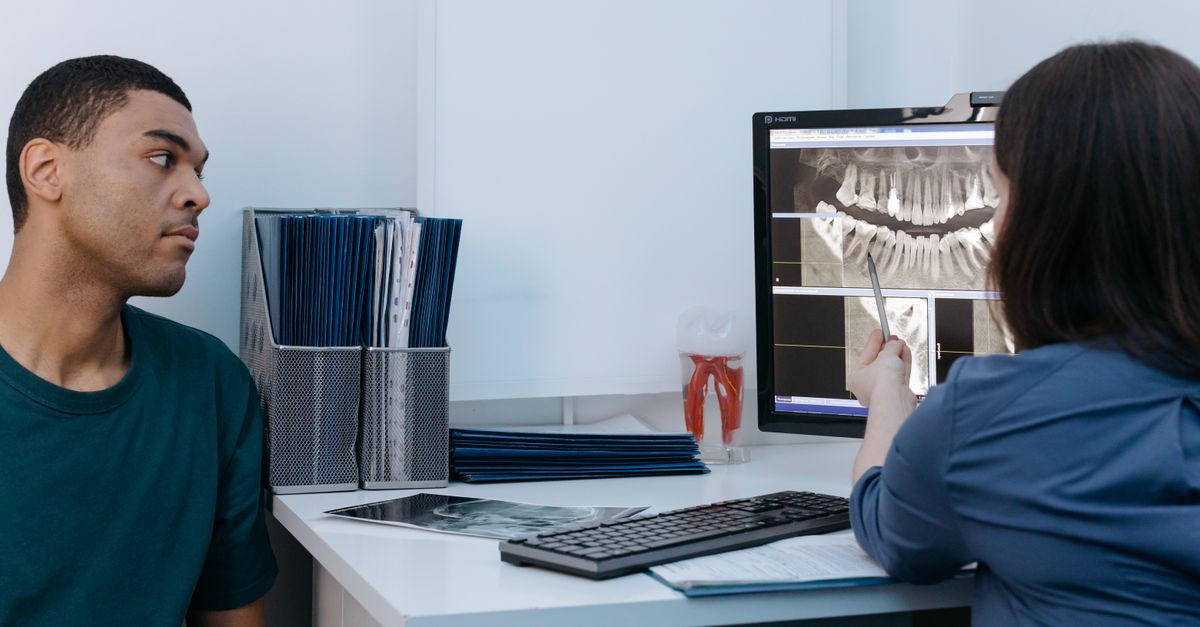
Surgical guide implant surgery is an implant placement method in which the implant position is planned digitally before the procedure and transferred to the mouth with a custom-made guide. This guide helps the clinician place the implant according to the planned angle, depth, and position.
The guide is typically based on digital records such as intraoral scans and radiographic imaging. These records help evaluate:
- available bone volume
- the relationship to neighboring teeth
- the contour and condition of the gums
- the planned prosthetic restoration
- anatomical limitations that may affect implant positioning
The key point is that implant planning should not be based on bone alone. A well-positioned implant must also support function, hygiene access, and soft tissue stability. In esthetic areas, even small positional differences can affect the final appearance of the gum line and restoration.
Why planning matters before surgery
Implant treatment is most predictable when surgery and prosthetic planning are connected from the beginning. Digital planning allows the clinician to evaluate whether the intended implant position is realistic and biologically appropriate before the procedure starts.
This can be particularly valuable when the case involves:
- limited restorative space
- narrow anatomical boundaries
- multiple implants
- immediate implant treatment considerations
- esthetic demands in the anterior region
- previous implant complications or tissue loss
How the Digital Planning Process Works
Although each case is individualized, surgical guide implant surgery generally follows a structured planning sequence. This sequence is designed to reduce guesswork and improve coordination between diagnosis, surgery, and the final prosthetic plan.
1. Clinical evaluation
The process begins with a detailed clinical examination. The condition of the gums, neighboring teeth, bite, oral hygiene, and overall treatment goals are assessed. If the patient has active gum disease, gum recession, or inflammation around an existing implant, these issues may need to be addressed as part of the broader treatment plan.
2. Digital records
Digital dentistry tools may be used to collect detailed records of the teeth and soft tissues. These records help create a three-dimensional understanding of the case and allow more precise planning than relying on visual estimation alone.
3. Prosthetically driven implant planning
In responsible implant treatment, the planned restoration helps guide implant positioning. In other words, the implant should be placed where it can best support the final tooth replacement, while also respecting bone and soft tissue limitations.
This is often described as a prosthetically driven approach. It is especially relevant in visible areas, where the implant position affects not only function but also the emergence profile and the surrounding gingival architecture.
4. Fabrication of the surgical guide
Once planning is complete, a custom guide is produced for the patient. During surgery, this guide helps transfer the planned position to the clinical setting.
5. Guided implant placement
During the procedure, the guide is used to support controlled positioning. Depending on the case, the clinician still evaluates tissue conditions and surgical findings in real time. A guide is a planning tool, not a substitute for clinical judgment.
Potential Advantages of Surgical Guide Implant Surgery
Surgical guide implant surgery is not about marketing terminology. Its value lies in how it may support more deliberate treatment planning and execution in appropriate cases.
More controlled implant positioning
One of the main benefits is improved control over the planned implant location. This matters because implant angulation and depth can influence:
- the future prosthetic design
- cleanability and maintenance
- load distribution
- soft tissue support
- the esthetic outcome, especially in the front region
Better integration of surgery and restoration planning
Digital planning helps connect the surgical phase to the restorative phase. This can reduce the risk of placing an implant in a position that is surgically possible but prosthetically unfavorable.
Support for complex or esthetic cases
Guided planning can be particularly useful when treatment requires careful positioning relative to adjacent teeth and soft tissues. In the esthetic zone, precision is important not only for the crown but also for how the gum tissue frames the final result.
Improved communication within the treatment process
A digital plan can also improve clarity during case evaluation. It allows the treatment team to review anatomical limitations, discuss alternatives, and define realistic goals before surgery.
That said, guided surgery does not automatically make every case simple. The quality of the diagnosis, case selection, periodontal condition, and surgical execution still remain central.
Who May Benefit From a Guided Implant Approach?

Surgical guide implant surgery may be considered in a range of situations, but it is especially relevant when precision has a strong impact on long-term tissue health or prosthetic design.
Examples may include:
- single-tooth implant cases in visible areas
- cases with limited bone or reduced restorative space
- multiple implant planning
- All-on-6 implant treatment planning
- immediate implant treatment in selected cases
- patients seeking a second opinion after previous implant problems
Patients with a history of gum disease, gum recession, or implant complications may also need especially careful planning. In these situations, the question is not only where the implant can fit, but whether the tissues can support a healthy and maintainable result.
When a guide may not be the only issue
Some patients focus on whether guided surgery is used, but the bigger issue may be tissue health. If there is active inflammation, inadequate soft tissue stability, or unresolved implant-related disease, those factors may need to be addressed first.
This reflects an important principle in biologically based dentistry: technology supports treatment, but it does not replace diagnosis.
Health First, Then Esthetics
In implant dentistry, esthetics should not be separated from biology. A restoration may look acceptable at first, but if tissue thickness, gum stability, inflammation control, or cleansability were not properly considered, the long-term result may be compromised.
For this reason, surgical guide implant surgery is most valuable when it is part of a broader treatment philosophy that considers:
- gum condition before surgery
- bone support and anatomical limits
- the patient’s hygiene capacity
- soft tissue management
- the final restorative design
- long-term maintenance requirements
Especially in the anterior region, implant positioning must support both tissue health and esthetic balance. A precise plan helps, but only when it is built on sound biological principles.
Surgical Guide Implant Surgery in Patients With Previous Problems
Some patients seek consultation because an existing implant has developed inflammation, bone loss, esthetic concerns, or functional dissatisfaction. In such cases, digital planning may be valuable not only for new implant placement, but also for reassessment of what went wrong and how retreatment should be approached.
When implant complications are present, treatment planning may involve a careful review of:
- implant position relative to the final restoration
- soft tissue deficiencies
- bone loss patterns
- hygiene access around the implant
- the relationship between biology and prosthetic design
This is one reason why guided planning should be understood as part of a comprehensive diagnostic process rather than a standalone feature.
Questions Patients Often Ask Before Treatment
Does guided implant surgery guarantee success?
No responsible implant approach should be described as guaranteed. A surgical guide may support more accurate transfer of the treatment plan, but long-term outcomes also depend on diagnosis, tissue health, case selection, healing, maintenance, and prosthetic design.
Is digital planning useful for every implant case?
Not every case has the same level of complexity. However, digital planning can be particularly useful when precision is critical for esthetics, function, or anatomical safety. The indication should be determined individually.
Can guided surgery be used in immediate implant treatment?
In selected cases, digital planning may support immediate implant treatment. However, immediate treatment is not suitable for every patient or every extraction site. Bone condition, soft tissue status, infection risk, and prosthetic considerations all matter.
Is the guide itself the most important part?
No. The guide is a tool. The most important part is a correct diagnosis and a biologically sound treatment plan. A well-made guide cannot compensate for poor case selection or unresolved gum and tissue problems.
Why Individual Assessment Matters
Two patients may both ask for implant treatment, but their needs can be very different. One may need careful management of gum disease before any implant planning. Another may need evaluation of a previous implant complication. A third may be a candidate for immediate implant treatment or a digitally planned esthetic solution in the front region.
For that reason, surgical guide implant surgery should be discussed as part of an individualized treatment pathway, not as a one-size-fits-all method. The right plan depends on the patient’s anatomy, periodontal condition, restorative needs, and long-term maintenance potential.
If you are considering implant treatment and want a more precise, digitally planned approach, or if you would like a second opinion for an implant-related problem, a detailed clinical evaluation is the appropriate first step.
FAQ
What is surgical guide implant surgery?
It is an implant placement method that uses digital planning and a custom-made guide to help transfer the planned implant position more precisely during surgery.
Is surgical guide implant surgery better than conventional implant placement?
It can offer important advantages in suitable cases, especially when precise positioning is critical. However, the best approach depends on the individual case, tissue condition, and treatment goals.
Can guided implant surgery help in esthetic areas?
Yes, guided planning may be especially useful in visible areas because implant position can strongly affect both the restoration and the surrounding gum architecture.
Can patients with gum disease still have implant treatment?
They may be candidates, but active gum disease should be carefully evaluated and managed as part of treatment planning. Tissue health is fundamental to implant care.
Is guided surgery only for complex cases?
Not only for complex cases, but it is particularly valuable when anatomy, esthetics, or restorative planning require a high level of precision.