 TR
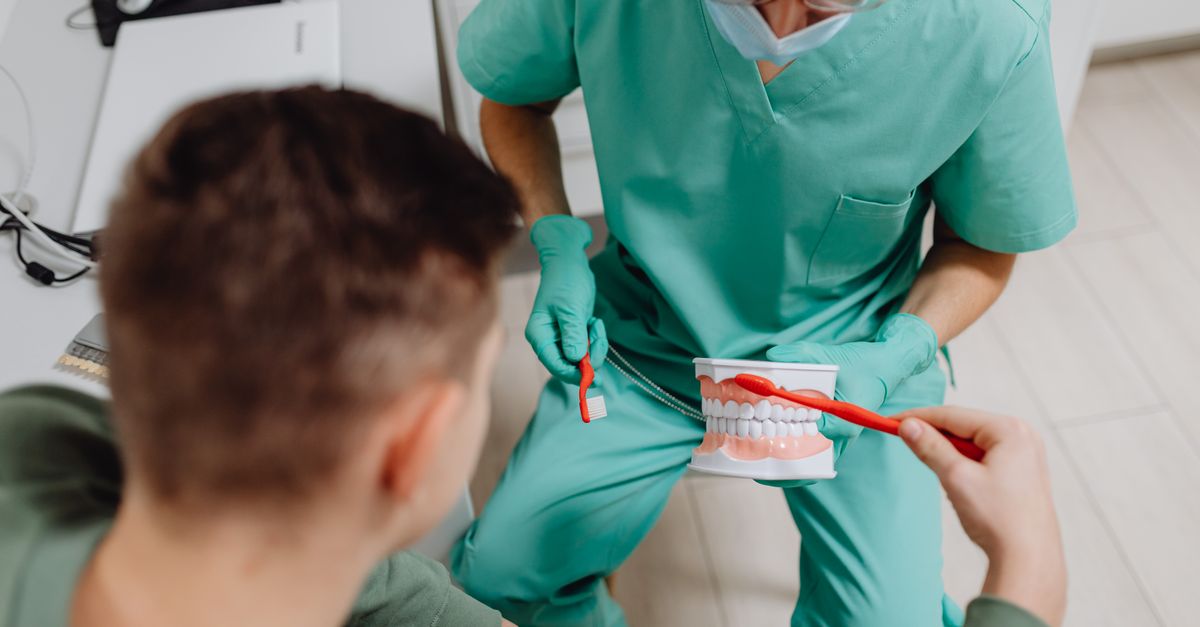
Smile design is not only about making teeth look whiter or straighter. It is a careful planning process that considers facial harmony, gum health, tooth proportions, function, and natural appearance together.
Smile design is a personalized treatment planning approach that aims to create a balanced, natural-looking smile in harmony with the face, lips, gums, and teeth. In a medically responsible approach, aesthetics should not be separated from oral health. Before any visual changes are planned, the condition of the gums, existing restorations, bite relationship, and overall dental health should be evaluated carefully.
For many adults, the main concern is not an artificial “perfect” look, but a smile that appears healthy, proportionate, and natural. This is why smile design should be based on individual anatomy and biological principles rather than a standard template. When needed, digital dentistry can support this planning process by helping visualize and measure key details more precisely.
What is smile design?

Smile design is the process of analyzing the visible and functional elements of a smile and planning treatment accordingly. It may include the evaluation of tooth shape, tooth size, tooth position, gum symmetry, smile line, lip support, and the relationship between the teeth and the face.
A well-planned smile design does not focus on teeth alone. It looks at the smile as part of the whole face. The goal is usually to achieve harmony rather than exaggeration. In clinical practice, this means asking questions such as:
- Are the teeth proportionate to the patient’s facial features?
- Is the gum line healthy and balanced?
- Does the smile look natural when speaking and laughing?
- Are there signs of gum recession, gum disease, wear, or old restorations that affect the result?
- Is the bite stable enough to support aesthetic treatment?
In many cases, smile design begins with diagnosis, not with cosmetic procedures. If there is inflammation, gum bleeding, recession, or instability in the supporting tissues, these issues should be addressed first. This health-first approach is especially important for patients who want long-term, biologically sound results.
Why natural-looking smile design requires more than cosmetic changes
A natural-looking smile is usually the result of balance. Very white, very uniform, or overly prominent teeth may draw attention, but they do not always look natural. A more refined result often depends on subtle planning.
Facial harmony matters
Teeth should suit the individual’s face rather than follow a one-size-fits-all style. The width, length, and contours of the teeth should be considered together with lip position, facial proportions, and smile dynamics.
Gum health shapes the final result
Even beautifully shaped teeth may not look balanced if the gums are inflamed, uneven, or receding. For this reason, periodontal evaluation is often an essential part of smile design planning. Patients with bleeding gums, gum recession, or signs of gum disease may need these conditions assessed and treated before aesthetic steps are considered.
Function supports aesthetics
If the bite is unstable or the teeth are exposed to excessive forces, an aesthetic result may be difficult to maintain. Smile design should therefore consider chewing function and tooth contact patterns, not only appearance.
Who may benefit from smile design?
Smile design may be considered by adults who are unhappy with the overall appearance of their smile and want a more harmonious result based on their own facial and dental structure. Common reasons include:
- Teeth that appear disproportionate or worn
- Irregular smile line
- Asymmetry in visible teeth or gums
- Old restorations that do not match surrounding teeth
- Concerns about the smile’s overall balance rather than a single tooth
However, not every aesthetic concern should be approached in the same way. Some patients mainly need gum treatment, while others may need a more comprehensive evaluation involving digital planning. In selected cases, existing implant-related aesthetic concerns may also require careful assessment, especially in the front region where even small discrepancies can be highly visible.
How smile design is planned
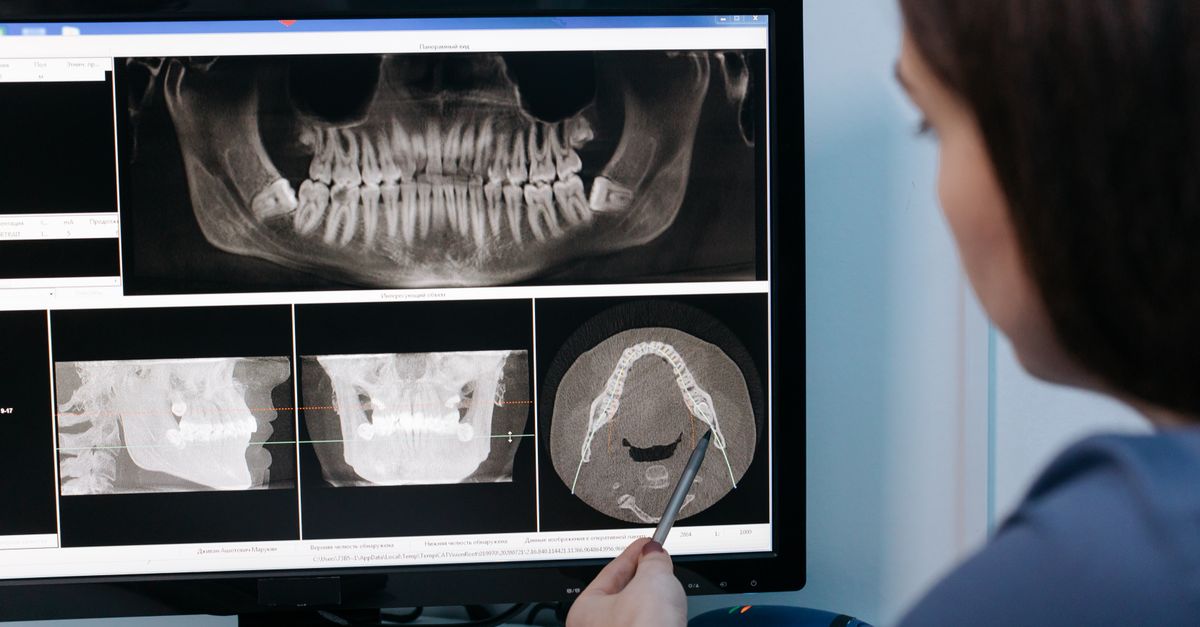
Planning is one of the most important parts of smile design. A careful assessment helps define what is possible, what should be treated first, and how to aim for a result that looks natural rather than overdone.
1. Clinical examination
The first step is understanding the current condition of the teeth, gums, bite, and surrounding tissues. Existing dental work, wear, asymmetry, recession, and signs of inflammation are evaluated.
2. Periodontal evaluation
Healthy gums provide the frame of the smile. If there is gum disease or recession, these issues may affect both appearance and treatment planning. In such situations, addressing the biological foundation first is often more appropriate than focusing immediately on cosmetic changes.
3. Digital analysis
With digital planning, measurements and visual assessments can be made more precisely. Digital dentistry may support the evaluation of tooth proportions, smile line, symmetry, and treatment simulation. This can improve communication and help create a plan that is tailored to the patient’s anatomy.
4. Individualized treatment planning
Once the findings are clear, the smile design plan is built around the patient’s needs. The right approach depends on the condition of the teeth and gums, the patient’s expectations, and whether any health problems need to be addressed first.
The role of gum health in smile design
Gums are not a background detail. They are a visible and structural part of the smile. Swelling, bleeding, recession, or uneven gum contours can significantly affect smile aesthetics.
For that reason, smile design should not be reduced to tooth appearance alone. If gum tissues are unhealthy, the first priority should be to understand the cause and establish a healthier foundation. This is consistent with a biological treatment philosophy: first health, then aesthetics.
Patients who notice bleeding while brushing, exposed root surfaces, sensitivity related to recession, or changes around existing dental work should not ignore these findings. In some cases, what appears to be an aesthetic problem may actually begin with periodontal disease or tissue loss.
Digital dentistry and smile design
Digital dentistry can play an important role in smile design by making planning more measurable and more individualized. Rather than relying only on visual estimation, digital tools can help assess proportions, alignment, and symmetry in greater detail.
This can be especially useful when the goal is a subtle, natural-looking improvement. Small differences in tooth length, midline position, or gum display may have a large effect on the final appearance. Digital planning helps evaluate these details more clearly.
Digital workflows are also valuable in more complex cases, including situations where restorative and surgical considerations overlap. For example, in implant-related planning, precise digital assessment may support more controlled decision-making. Readers interested in implant precision may also find it useful to learn about immediate implant treatment and how treatment planning can vary depending on the clinical situation.
Smile design in patients with existing dental or implant problems

Not every smile concern starts with healthy teeth and gums. Some patients seek smile design because they are unhappy with the appearance of previous dental work, gum recession, or complications around implants. In these cases, aesthetics and biology are closely linked.
If there is inflammation around an implant, tissue loss, or visible asymmetry in the aesthetic region, the first step should be a careful diagnosis. A visually pleasing result cannot be planned reliably without understanding the underlying condition. This is one reason why second opinions are often valuable in more complex aesthetic cases.
Smile design in such patients is usually not about masking a problem. It is about identifying the cause, evaluating the tissues, and planning within realistic biological limits.
What patients should expect from a smile design consultation
A thorough consultation should focus on understanding both the patient’s concerns and the clinical findings. Rather than promising a fixed visual outcome, a responsible evaluation explains what is affecting the smile, what should be prioritized, and which steps may be appropriate.
During this process, patients may discuss:
- What they currently dislike about their smile
- Whether the concern is related to teeth, gums, or both
- Whether there are signs of disease, recession, or previous treatment complications
- How digital analysis may help planning
- What a realistic and natural-looking result means for their individual case
This kind of consultation is especially important for patients who want improvement without an artificial appearance. In many cases, the best result is not the most dramatic one, but the one that looks healthy, stable, and appropriate for the person.
Choosing a health-first approach to smile design
Smile design should be approached as a clinical planning process, not as a cosmetic shortcut. The most reliable path to a balanced smile usually starts with diagnosis, periodontal stability, and individualized analysis. From there, aesthetic decisions can be made more safely and more naturally.
For patients with gum concerns, previous implant issues, or uncertainty about what is truly needed, a comprehensive evaluation can help clarify the situation. A health-first approach supports decisions that respect both appearance and long-term tissue stability.
Frequently asked questions about smile design
Is smile design only about aesthetics?
No. Although smile design focuses on appearance, it should also consider gum health, tooth function, bite stability, and the biological condition of the supporting tissues.
Can smile design be planned if I have gum bleeding or recession?
These findings should be evaluated carefully first. In many cases, gum health needs to be addressed before aesthetic planning can move forward in a predictable way.
Does a natural-looking smile mean perfectly uniform teeth?
Not necessarily. Natural-looking smiles are usually based on harmony, proportion, and facial suitability rather than excessive uniformity.
How does digital dentistry help in smile design?
Digital dentistry can support more precise analysis of symmetry, proportions, and smile dynamics. It may help create a more individualized treatment plan.
Can smile design help if I am unhappy with previous implant aesthetics?
In some cases, yes, but the underlying tissues and implant condition should be assessed first. If there are complications or tissue problems, diagnosis comes before aesthetic planning.